• ہوم پیج
  • ہمارے بارے
  • رابطہ کریں
  • پرائیوسی پالیسی
  • لاگ ان کریں
Subh.e.Pakistan Layyah
ad
WhatsApp Image 2025-07-28 at 02.25.18_94170d07
WhatsApp Image 2024-12-20 at 4.47.55 PM
WhatsApp Image 2024-12-20 at 11.08.33 PM
previous arrow
next arrow
  • صفحہ اول
  • ہمارے بارے
    • لیہ کی تاریخ
  • خبریں
    • صفحہ اول
    • جنوبی پنجاب
      • لیہ نیوز
      • ڈیرہ غازی خان
      • مظفر گڑھ
      • راجن پور
      • ملتان
      • بہاول پور
      • خانیوال
      • رحیم یار خان
    • قومی/ بین الاقوامی خبریں
  • نیوز بلٹن
  • کالم
    • شب و روز زندگی
  • شاعری
  • وڈیوز
No Result
View All Result
  • صفحہ اول
  • ہمارے بارے
    • لیہ کی تاریخ
  • خبریں
    • صفحہ اول
    • جنوبی پنجاب
      • لیہ نیوز
      • ڈیرہ غازی خان
      • مظفر گڑھ
      • راجن پور
      • ملتان
      • بہاول پور
      • خانیوال
      • رحیم یار خان
    • قومی/ بین الاقوامی خبریں
  • نیوز بلٹن
  • کالم
    • شب و روز زندگی
  • شاعری
  • وڈیوز
No Result
View All Result
Subh.e.Pakistan Layyah
No Result
View All Result

Abdul Sattar Edhi

webmaster by webmaster
جولائی 8, 2019
in کالم
0
Abdul Sattar Edhi

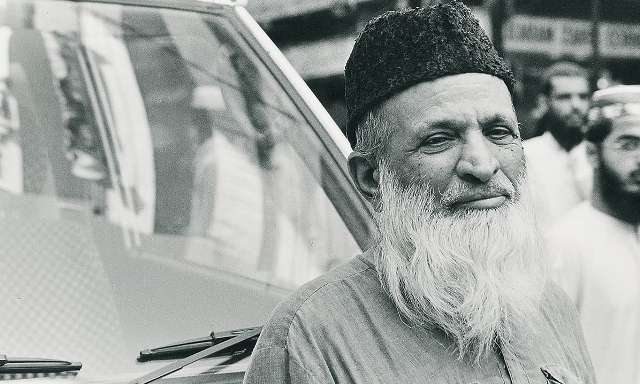
Abdul Sattar Edhi was born in 1928 in a small village of Bantva near Joona Garh, Gujrat (India). The seeds of compassion for the suffering humanity were sown in his soul by his mother’s infirmity. When Edhi was at the tender age of eleven, his mother became paralysed and later got mentally ill. Young Abdul Sattar devoted himself for looking after all her needs; cleaning, bathing, changing clothes and feeding. This proved to be a loosing battle against the disease, and her helplessness increased over the years. Her persistent woeful condition left a lasting impression on young Edhi. The course of his life took a different turn from other persons of his age. His studies were also seriously affected and he could not complete his high school level. For him the world of suffering became his tutor and source of wisdom.

Edhi’s mother died when he was 19. His personal experience made him think of thousands and millions, suffering like his mother, around with nobody to look after them. He thought that he had a call to help these people. He had a vision of chains of welfare centres and hospitals that could be opened to alleviate the pain of those suffering from illness and neglect. He also thought of the in-human treatment meted out to the mentally ill, the insane and the disabled persons.

Even at this early age, he felt personally responsible for taking on the challenge of developing a system of services to reduce human miseries. The task was huge he had no resources. But it was some thing that he had to do even if he had to walk to the streets if he had to beg for this purpose.

Edhi and his family migrated to Pakistan in 1947. In order to earn his living, Abdul Sattar Edhi initially started as a peddler, later became a commission agent selling cloth in the wholesale market in Karachi.

After a couple of years, he left this occupation and with the support of some members of his community decided to establish a free dispensary. He became involved in this charity work. However, soon his personal vision of a growing and developing system of multifarious services made him decide to establish a welfare trust of his own and named it as “Edhi Trust”.

An appeal was made to the public for funds. The response was good, and Rs.200,000/- were raised. The range and scope of work of Edhi Trust expanded with remarkable speed under the driving spirit of the man behind it. A maternity home was established and emergency ambulance service was started in the sprawling metropolis of Karachi with a population of over 10 million.

More donations were received as people’s confidence in the activities of the Trust grew. With the passage of time, masses gave him the title of the” Angel of Mercy.”
Abdul Sattar Edhi was married in 1965 to Bilquis, a nurse who worked at the Edhi dispensary. The couple have four children, two daughters and two sons. Bilquis runs the free maternity home at the headquarter in Karachi and organises the adoption of illegitimate and abandoned babies. The husband-wife team has come to share the common vision of single minded devotion to the cause of alleviation of human sufferings and a sense of personal responsibility to respond to each call for help, regardless of race, creed or status.

Edhi involves himself in every activity at Edhi Foundation from raising funds to bathing corpses. Round the clock he keeps with him an ambulance which he drives himself and makes rounds of the city regularly. On finding a destitute or an injured person any where on the way, he escorts him to the Relief Centre where immediate attention is given to the needy person. Inspite of his busy work schedule with the Foundation, Edhi finds enough time to spare with the residents of the orphanages called “Edhi Homes”. He is very found of playing and laughing with the children. A short strongly built man in his early seventies with a flowing beard and a ready smile, Edhi is popularly called “Nana” (Grandfather) by the residents of “Edhi Homes”.

Despite his enormous fame and the vast sums of money that passes through his hands, Edhi adheres to a very simple and modest life style. He and his family live in a two room apartment adjacent to the premises of Foundation’s headquarter. Neither Edhi nor Bilquis receives any salary. They live on the income from government securities that Edhi bought many years ago to take care of their personal needs for the rest of their lives, thereby freeing them to devote single mindedly to their missionary work.

He shuns publicity for the fear of becoming haughty. As the credibility and fame grew and the name of Edhi became a house-hold word, people started approaching him for becoming chief guest on special occasions.

In an interview given to a journalist in Lahore in 1991, Edhi said,”I want to request the people not to invite me to social gatherings and inaugural ceremonies. This only wastes my time which is wholly devoted to the well being of our people.”

Although Edhi has a traditional Islamic background, he has an open and progressive mind on a number of sensitive social issues. He strongly supports the notion of working women. Of the 2,000 paid workers of the Edhi Foundation around 500 are women. They work in various capacities in-charges of Edhi centres, heads of maternity homes and dispensaries and office workers. More-over, several women volunteers help Edhi Foundation in fund raising. Edhi encourages women to do all sorts of work without differentiation.

Tags: english column
Previous Post

موٹاپے کا شکار صادق آباد کے رہائشی نور حسن انتقال کرگئے

Next Post

اسپیکر قومی اسمبلی نے قائمہ کمیٹیوں کے تمام اجلاس منسوخ کردیئے

Next Post
اسپیکر قومی اسمبلی نے قائمہ کمیٹیوں کے تمام اجلاس منسوخ کردیئے

اسپیکر قومی اسمبلی نے قائمہ کمیٹیوں کے تمام اجلاس منسوخ کردیئے

جواب دیں جواب منسوخ کریں

آپ کا ای میل ایڈریس شائع نہیں کیا جائے گا۔ ضروری خانوں کو * سے نشان زد کیا گیا ہے


قومی/ بین الاقوامی خبریں

file foto
قومی/ بین الاقوامی خبریں

ہ پنجاب میں تاریخ کا بڑا سیلاب آیا ۔اگر ہم بروقت انتظامات نہ کرتے تو جانی اور مالی نقصان بہت زیادہ ہوتے۔مخالفین ہماری کار کردگی سے خائف ہیں ۔ مریم نواز

by webmaster
ستمبر 15, 2025
0

لاہور ۔وزیر اعلیٰ پنجاب مریم نواز شریف نے کہا کہ سیلاب متاثرین کی بحالی ہماری ترجیح ہے، سیلاب متاثرین کوتین...

Read moreDetails
پنجاب میں سیلاب کی تباہ کاریاں: جلال پور پیر والا کے قریب موٹروے کا حصہ پانی میں بہہ گیا، ٹریفک کے لیے بند

پنجاب میں سیلاب کی تباہ کاریاں: جلال پور پیر والا کے قریب موٹروے کا حصہ پانی میں بہہ گیا، ٹریفک کے لیے بند

ستمبر 15, 2025
سینئر وزیر مریم اورنگ زیب کا علی پور اور سیت پور کے سیلابی متاثرہ علاقوں کا دورہ

سینئر وزیر مریم اورنگ زیب کا علی پور اور سیت پور کے سیلابی متاثرہ علاقوں کا دورہ

ستمبر 15, 2025
 یوم دفاع: دن کے آغاز پر توپوں کی سلامی، ملکی سلامتی کیلئے خصوصی دعائیں

 یوم دفاع: دن کے آغاز پر توپوں کی سلامی، ملکی سلامتی کیلئے خصوصی دعائیں

ستمبر 6, 2025
آٹے کی قلت: پنجاب میں دفعہ 144 نافذ، فیڈ ملز میں گندم کے استعمال پر پابندی عائد

آٹے کی قلت: پنجاب میں دفعہ 144 نافذ، فیڈ ملز میں گندم کے استعمال پر پابندی عائد

ستمبر 5, 2025
Abdul Sattar Edhi was born in 1928 in a small village of Bantva near Joona Garh, Gujrat (India). The seeds of compassion for the suffering humanity were sown in his soul by his mother’s infirmity. When Edhi was at the tender age of eleven, his mother became paralysed and later got mentally ill. Young Abdul Sattar devoted himself for looking after all her needs; cleaning, bathing, changing clothes and feeding. This proved to be a loosing battle against the disease, and her helplessness increased over the years. Her persistent woeful condition left a lasting impression on young Edhi. The course of his life took a different turn from other persons of his age. His studies were also seriously affected and he could not complete his high school level. For him the world of suffering became his tutor and source of wisdom. Edhi’s mother died when he was 19. His personal experience made him think of thousands and millions, suffering like his mother, around with nobody to look after them. He thought that he had a call to help these people. He had a vision of chains of welfare centres and hospitals that could be opened to alleviate the pain of those suffering from illness and neglect. He also thought of the in-human treatment meted out to the mentally ill, the insane and the disabled persons. Even at this early age, he felt personally responsible for taking on the challenge of developing a system of services to reduce human miseries. The task was huge he had no resources. But it was some thing that he had to do even if he had to walk to the streets if he had to beg for this purpose. Edhi and his family migrated to Pakistan in 1947. In order to earn his living, Abdul Sattar Edhi initially started as a peddler, later became a commission agent selling cloth in the wholesale market in Karachi. After a couple of years, he left this occupation and with the support of some members of his community decided to establish a free dispensary. He became involved in this charity work. However, soon his personal vision of a growing and developing system of multifarious services made him decide to establish a welfare trust of his own and named it as “Edhi Trust”. An appeal was made to the public for funds. The response was good, and Rs.200,000/- were raised. The range and scope of work of Edhi Trust expanded with remarkable speed under the driving spirit of the man behind it. A maternity home was established and emergency ambulance service was started in the sprawling metropolis of Karachi with a population of over 10 million. More donations were received as people’s confidence in the activities of the Trust grew. With the passage of time, masses gave him the title of the” Angel of Mercy.” Abdul Sattar Edhi was married in 1965 to Bilquis, a nurse who worked at the Edhi dispensary. The couple have four children, two daughters and two sons. Bilquis runs the free maternity home at the headquarter in Karachi and organises the adoption of illegitimate and abandoned babies. The husband-wife team has come to share the common vision of single minded devotion to the cause of alleviation of human sufferings and a sense of personal responsibility to respond to each call for help, regardless of race, creed or status. Edhi involves himself in every activity at Edhi Foundation from raising funds to bathing corpses. Round the clock he keeps with him an ambulance which he drives himself and makes rounds of the city regularly. On finding a destitute or an injured person any where on the way, he escorts him to the Relief Centre where immediate attention is given to the needy person. Inspite of his busy work schedule with the Foundation, Edhi finds enough time to spare with the residents of the orphanages called “Edhi Homes”. He is very found of playing and laughing with the children. A short strongly built man in his early seventies with a flowing beard and a ready smile, Edhi is popularly called “Nana” (Grandfather) by the residents of “Edhi Homes”. Despite his enormous fame and the vast sums of money that passes through his hands, Edhi adheres to a very simple and modest life style. He and his family live in a two room apartment adjacent to the premises of Foundation’s headquarter. Neither Edhi nor Bilquis receives any salary. They live on the income from government securities that Edhi bought many years ago to take care of their personal needs for the rest of their lives, thereby freeing them to devote single mindedly to their missionary work. He shuns publicity for the fear of becoming haughty. As the credibility and fame grew and the name of Edhi became a house-hold word, people started approaching him for becoming chief guest on special occasions. In an interview given to a journalist in Lahore in 1991, Edhi said,”I want to request the people not to invite me to social gatherings and inaugural ceremonies. This only wastes my time which is wholly devoted to the well being of our people.” Although Edhi has a traditional Islamic background, he has an open and progressive mind on a number of sensitive social issues. He strongly supports the notion of working women. Of the 2,000 paid workers of the Edhi Foundation around 500 are women. They work in various capacities in-charges of Edhi centres, heads of maternity homes and dispensaries and office workers. More-over, several women volunteers help Edhi Foundation in fund raising. Edhi encourages women to do all sorts of work without differentiation.

No Result
View All Result
  • صفحہ اول
  • ہمارے بارے
    • لیہ کی تاریخ
  • خبریں
    • صفحہ اول
    • جنوبی پنجاب
      • لیہ نیوز
      • ڈیرہ غازی خان
      • مظفر گڑھ
      • راجن پور
      • ملتان
      • بہاول پور
      • خانیوال
      • رحیم یار خان
    • قومی/ بین الاقوامی خبریں
  • نیوز بلٹن
  • کالم
    • شب و روز زندگی
  • شاعری
  • وڈیوز

© 2025 JNews - Premium WordPress news & magazine theme by Jegtheme.